
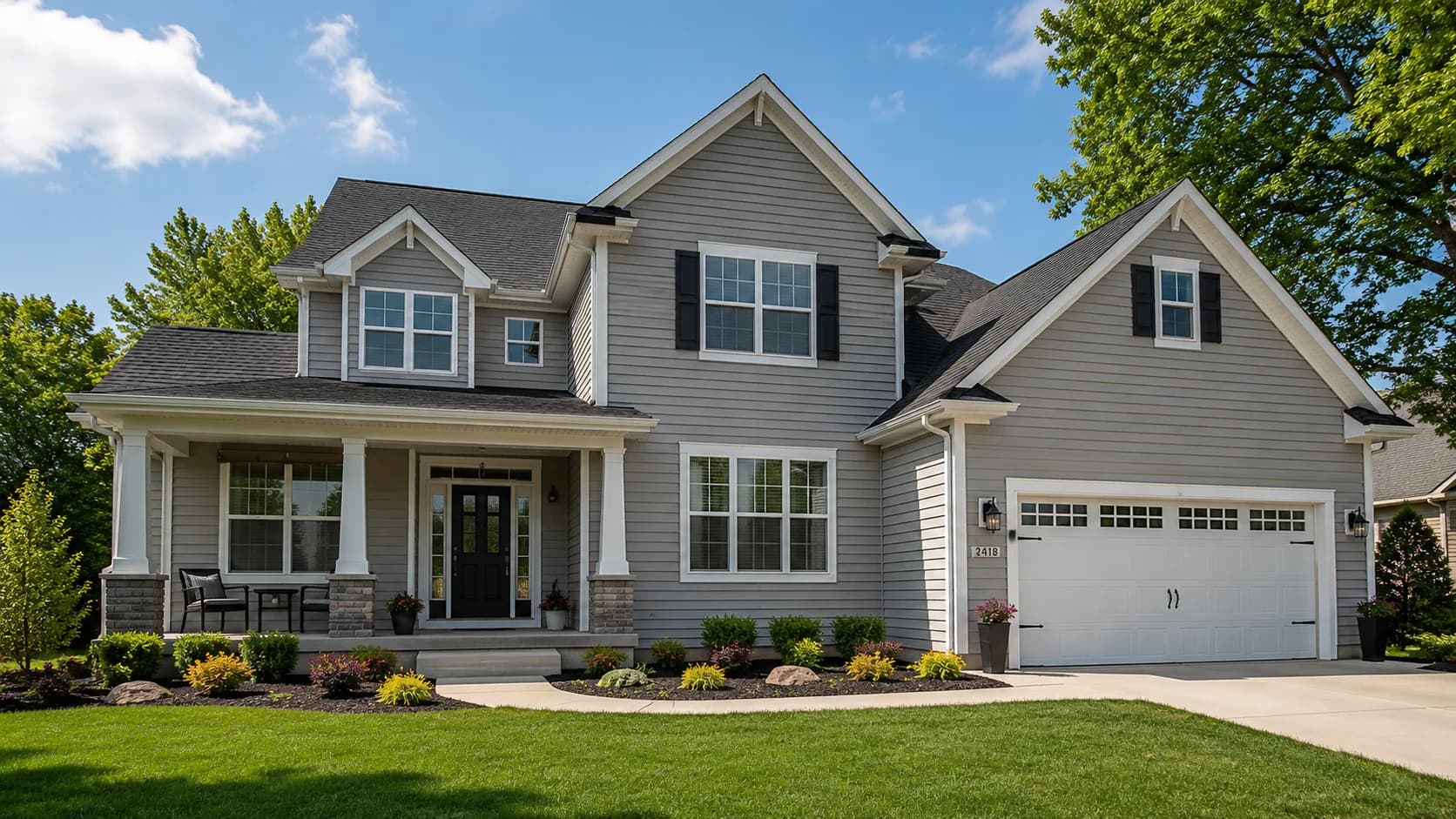
Siding Material
Vinyl Siding Installation in Madison, WI
Vinyl is the most common siding material in Wisconsin — and for good reason. It's affordable, low-maintenance, and available in more colors and profiles than any other siding material. But not all vinyl is the same. The cheap stuff you'd find on a 1990s spec home cracks in a Wisconsin January. Premium vinyl, properly installed, holds up for 25–30 years and looks great the entire time. We install only premium-grade vinyl products engineered for Midwest cold.
What vinyl siding actually delivers
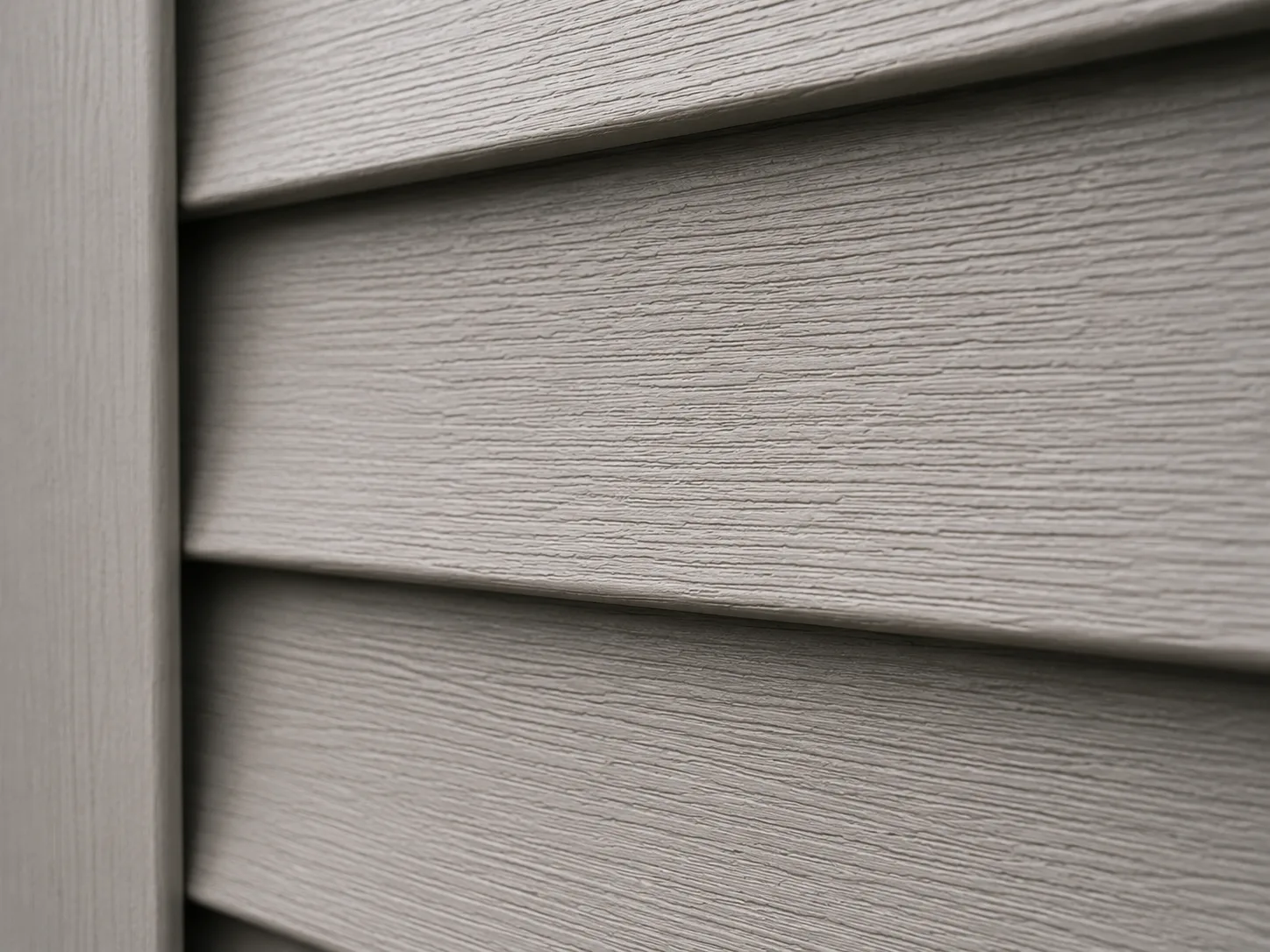
For most Madison-area homes, vinyl siding hits the right balance of cost, durability, and appearance. The honest case for vinyl.
Cost
Installed cost typically runs $4–$8 per square foot, roughly half of what fiber cement runs.
Maintenance
Wash it once a year with a garden hose. No painting, no sealing, no staining.
Color permanence
Color is baked through the material rather than painted on, so scratches don't show a different color underneath.
Selection
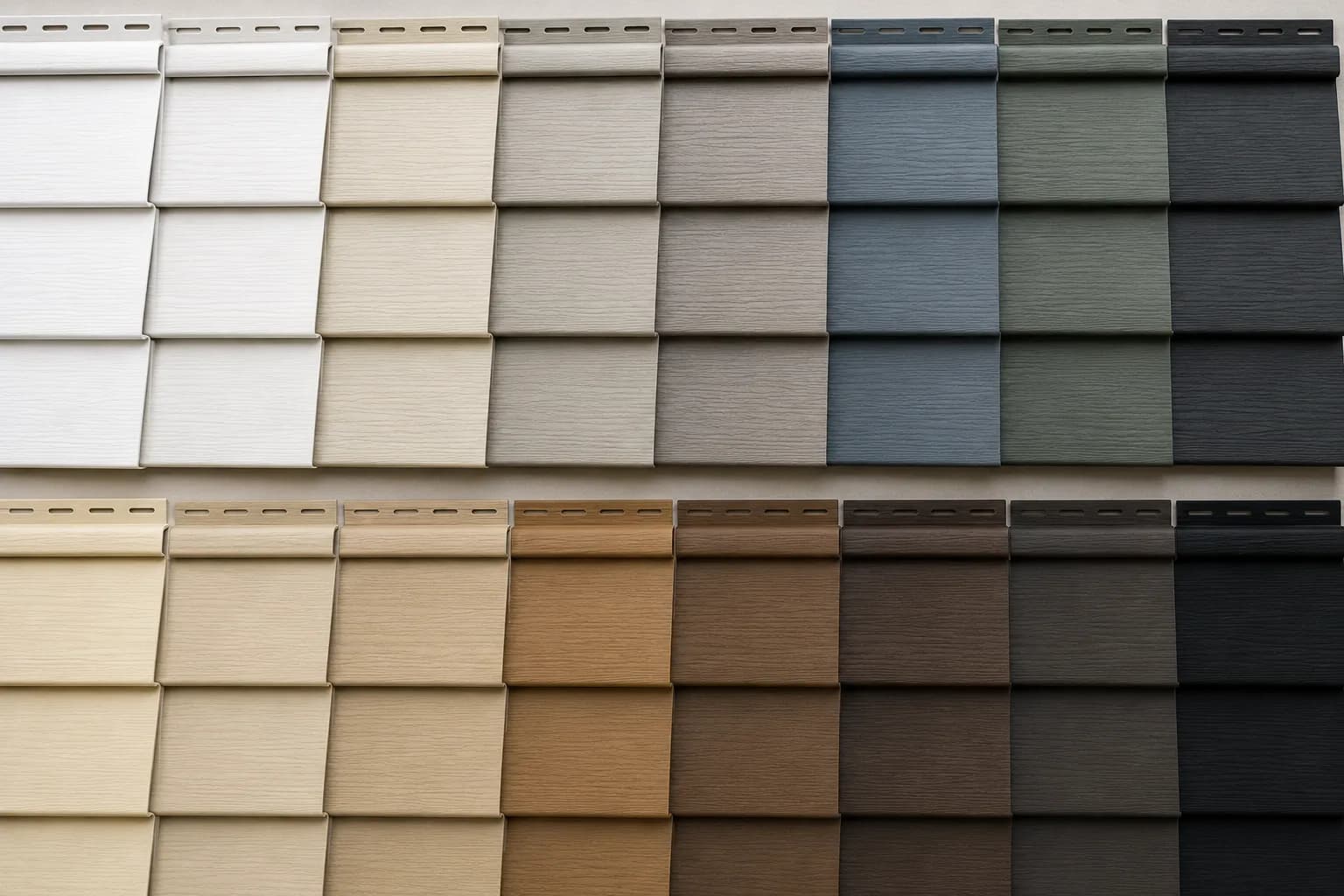
Dozens of profiles — traditional lap, Dutch lap, board and batten, shake — and hundreds of colors.
Lifespan
25–30 years for premium products in Wisconsin's climate, with insulated vinyl on the longer end of that range.
The honest tradeoffs
Vinyl isn't perfect. These are the things honest contractors talk about up front. For homes where the budget points to vinyl, premium-grade products installed correctly perform very well in Madison — but it's worth knowing where vinyl has limits.
Cold brittleness
Vinyl gets harder and more brittle below 10°F. Cheap vinyl can crack from impact in deep winter. Premium vinyl handles cold significantly better.
Heat expansion
Vinyl expands and contracts substantially with temperature swings. Installation has to account for this, or seams pull apart over time.
Hail vulnerability
Vinyl dents and cracks under significant hail more than fiber cement does.
Insulated vinyl — when it's worth the upgrade
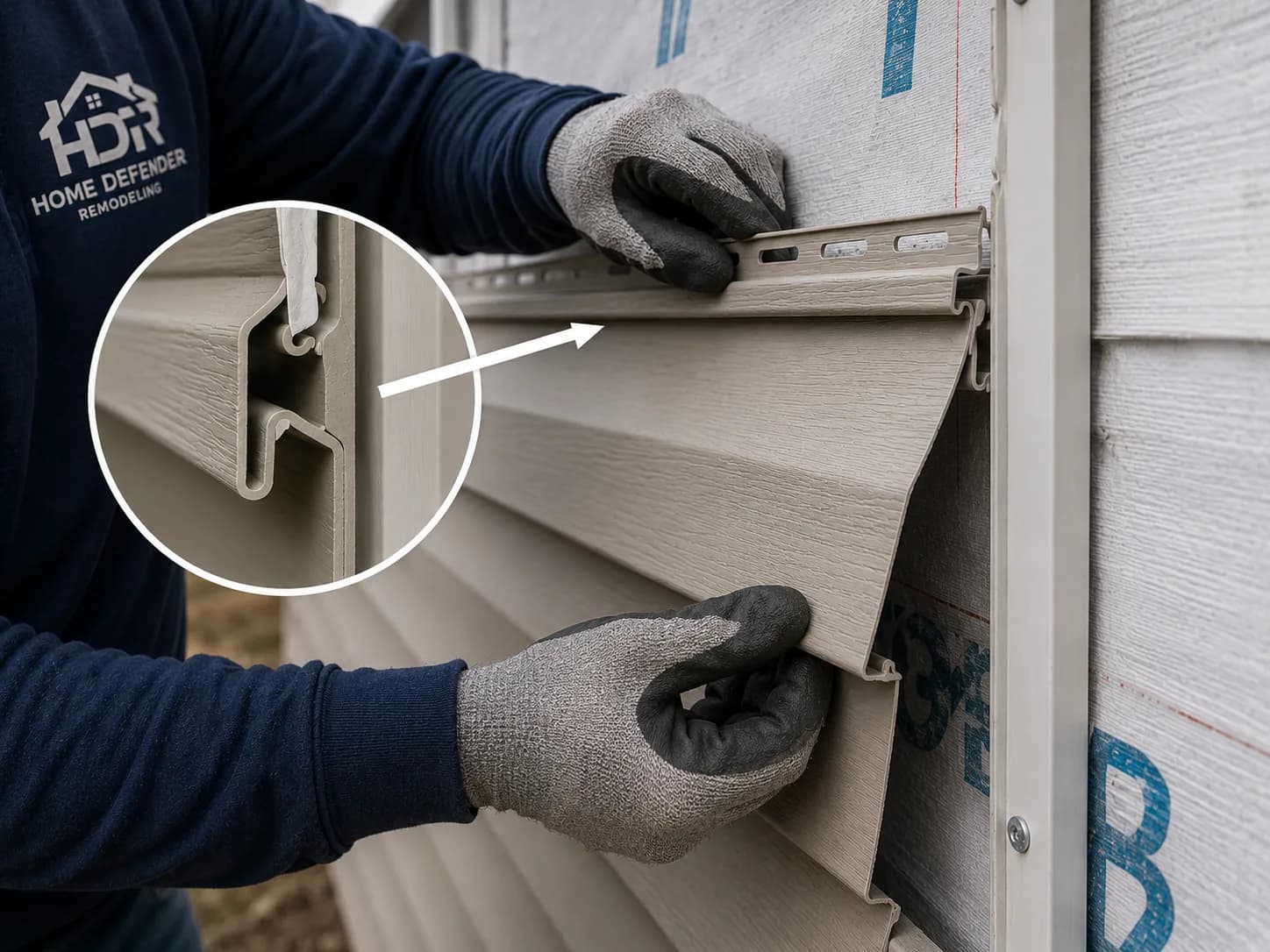
Insulated vinyl adds a layer of rigid foam backing bonded directly to the back of the vinyl panel. The result is a measurably more rigid, more impact-resistant, and more energy-efficient siding system. The upgrade typically adds about $1.50–$3.00 per square foot installed.
Where insulated vinyl makes the most sense in Madison.
Homes with older insulation
Most homes built before 1985 are under-insulated by current standards. Insulated vinyl is a noticeable improvement.
North-facing walls
North sides of the home see the most cold exposure and the most ice damming risk. Insulated vinyl helps both.
Homeowners staying long-term
The energy savings compound over time. If you're staying 10+ years, the math usually works.
Homes with poor sound insulation
The rigid foam noticeably reduces outdoor noise.
When standard vinyl is the smarter call
Investment properties or short-term holds where the payback period won't match your timeline; tight budgets where standard vinyl still performs well; or homes that already have good wall insulation.
Frequently asked questions
- How long does vinyl siding last in Wisconsin?
- Premium-grade vinyl in Wisconsin typically delivers 25–30 years of service life before significant degradation. Standard or budget vinyl usually delivers 15–20 years before fading, cracking, or seam failure shows up. Wisconsin's deep cold and freeze-thaw cycles are harder on vinyl than the climates manufacturers test in — premium products are worth the modest upgrade for the longer life and warranty backing.
- Does vinyl siding really crack in Wisconsin winters?
- Cheaper vinyl can. Below about 10°F — which Madison hits regularly in January and February — older or thinner vinyl becomes brittle and more vulnerable to impact damage from snow shovels, hail, or wind-blown debris. Premium vinyl is engineered to maintain flexibility at lower temperatures, but it's still not invincible. This is one reason we only install premium-grade products. The cost difference between budget and premium vinyl is small compared to the cost of replacing prematurely failed siding.
- Can I paint vinyl siding?
- Technically yes, but we don't recommend it. Vinyl is designed with the color baked into the material — painting works against that design and the paint typically fails within 5–7 years, sometimes peeling in sheets. If your vinyl is faded or you don't like the color, replacement is almost always the better long-term move than painting. The exception is if the vinyl is otherwise in great condition and you only have 5 years left in the home — in that case, paint might bridge the gap.
Related services
Fiber Cement Siding in Madison, WI
If you're staying in your home for the long term and you want siding that won't need replacement again in your lifetime, fiber cement is hard to beat. It's the most durable siding material widely available in Wisconsin — won't crack in cold, won't dent from hail, won't burn, and lasts 30–50 years. The tradeoff is upfront cost: roughly 2x what vinyl costs. For long-term homeowners, the math almost always works. We install fiber cement on Madison-area homes using premium products engineered for cold-climate performance.
Learn more
Siding Replacement in Madison, WI
A full siding replacement is one of the most expensive things you'll do to your home — and one of the most consequential. Done right, the new siding will outlast you. Done wrong, you'll be calling a different contractor in five years to fix what should have been done correctly the first time. We don't shortcut the underlayment, the flashing, or the moisture management. Free in-home consultation. Written estimates. No high-pressure quotes.
Learn more
Siding Repair in Madison, WI
A few cracked panels after a hailstorm don't mean you need to replace your entire siding. Sometimes a targeted repair is the right call — fixes the problem, costs a fraction of full replacement, and buys your existing siding another 5–10 years of life. The trick is knowing when repair makes sense and when it doesn't. We assess the damage, give you an honest answer, and only recommend replacement when repair genuinely isn't the better choice. Free inspection. Written estimates.
Learn more
Ready for a free estimate?
Tell us about the project. We'll come out, take a look, and put a written estimate in your hand within a week.